
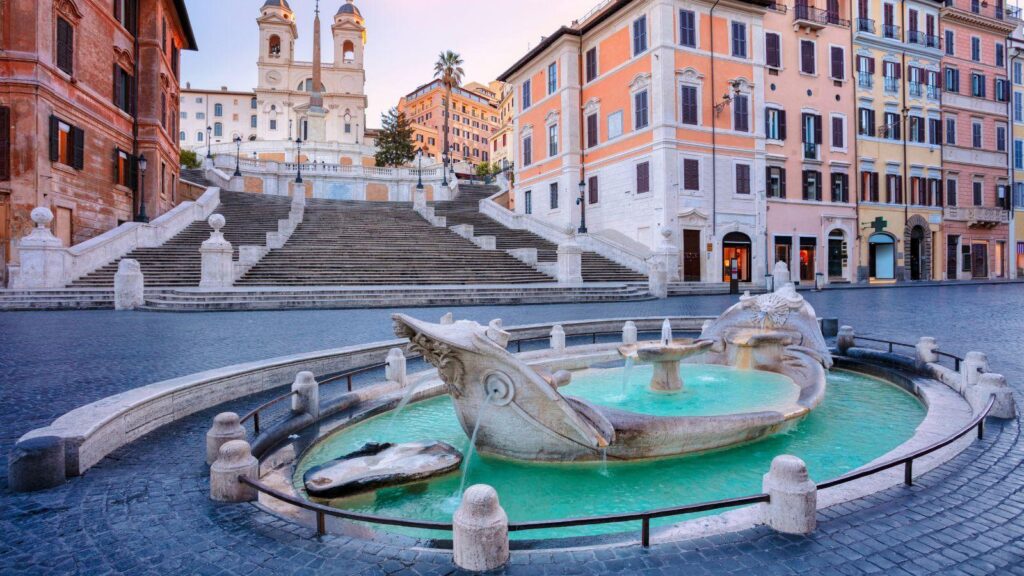
Rome remains one of the world’s most sought-after tourist destinations, but behind the timeless charm of the Eternal City lies a hotel industry rife with contradictions. Millions of visitors arrive each year, drawn by the Colosseum, the Vatican Museums, and the Roman “dolce vita,” yet finding suitable accommodations at a reasonable price is becoming increasingly difficult. The gap between supply and demand, combined with complex regulations and ever-rising costs, has created a market that many now describe as dysfunctional. Understanding the causes of this imbalance helps travelers and investors navigate the situation more effectively. It is therefore worth examining the factors that make Rome’s hospitality landscape so problematic.
Tourism Demand Is Growing Steadily
Tourism in Rome has no real off-season, with high visitor numbers throughout the year thanks to the city’s cultural and religious heritage. The Jubilee and major ecclesiastical events have further increased the influx of pilgrims and visitors, putting pressure on the entire lodging sector. This constant demand, however, has not been accompanied by a proportional increase in supply. Many hotels operate near full capacity for most of the year, resulting in high rates. The result is a system that struggles to absorb peaks without penalizing customers.
High prices and a lack of transparency
One of the most obvious problems concerns room rates, which in Rome often exceed those of other comparable European capitals. Rates vary greatly depending on the time of year, proximity to landmarks, and ongoing events, making it difficult for travelers to plan ahead. Added to this are ancillary costs such as the tourist tax, which significantly affects the final bill. The lack of clarity in pricing policies fuels frustration and mistrust among visitors.
To better understand the dynamics of costs, here are some factors that influence room rates in the capital:
- The seasonal nature of religious events, which causes sudden spikes in demand;
- Central location, with rates significantly higher in the historic center;
- Municipal tourist tax, which increases the cost per night;
- Limited availability of new accommodations in the most sought-after areas;
- High operating costs associated with the maintenance of historic buildings.
Regulatory Restrictions and Historical Heritage
Rome is a city-museum, and this entails strict regulations on the construction and renovation of buildings. Many properties in the city center are subject to preservation restrictions that limit their conversion into modern lodging facilities. Opening a new hotel or expanding an existing one requires lengthy and complex bureaucratic procedures. These obstacles discourage investors and hinder innovation in the sector. The city’s historic heritage, while representing its main attraction, thus also becomes a barrier to the development of the hospitality industry.
Competition from Short-Term Rentals
The boom in short-term rentals has reshaped Rome’s housing market in recent years. Many landlords prefer to use their apartments for tourist stays rather than traditional rentals, reducing the housing supply for residents. This trend removes properties from the residential market and fuels social tensions in the historic center. At the same time, short-term rentals compete directly with hotels, often without the same regulatory obligations. Local governments are trying to regulate the phenomenon, but striking a balance remains a challenge.
Disparity Among Facility Categories
The Roman market is showing a growing polarization between luxury and budget accommodations, with the mid-range segment shrinking further. Those seeking comfort and quality services at affordable prices face many challenges. This lack of balance particularly penalizes families and travelers on a tight budget. In their free time, after all, many tourists enjoy diversifying their experiences, from culture to online entertainment such as casino games and betting on platforms like winnita casino — a sign of how spending habits are evolving.
The following table summarizes the main differences between the categories of facilities in the city:
|
Categoria |
Fascia di prezzo |
Disponibilità |
Pubblico tipico |
|
Lusso |
Molto alta |
Limitata |
Turisti alto-spendenti |
|
Boutique |
Alta |
Moderata |
Viaggiatori esperienziali |
|
Fascia media |
Media |
Scarsa |
Famiglie, coppie |
|
Economica |
Bassa |
Variabile |
Giovani, backpacker |
Outlook for the Future of the Industry
Despite the challenges, there is room for improvement if institutions and operators act in a coordinated manner. Clearer regulations on short-term rentals could rebalance supply, while targeted incentives would encourage the development of mid-range accommodations. The digitization of services and greater price transparency would help rebuild travelers’ trust. Investing in sustainability and the revitalization of outlying neighborhoods would help distribute tourist flows more evenly.
A Glimpse of the Eternal City
Rome’s hotel market reflects the tensions typical of a destination with global appeal but whose infrastructure is constrained by history. High prices, inflexible supply, and competition from short-term rentals are the main challenges to be addressed in 2026. Only a balanced approach that combines heritage preservation with openness to innovation can make the sector more sustainable.