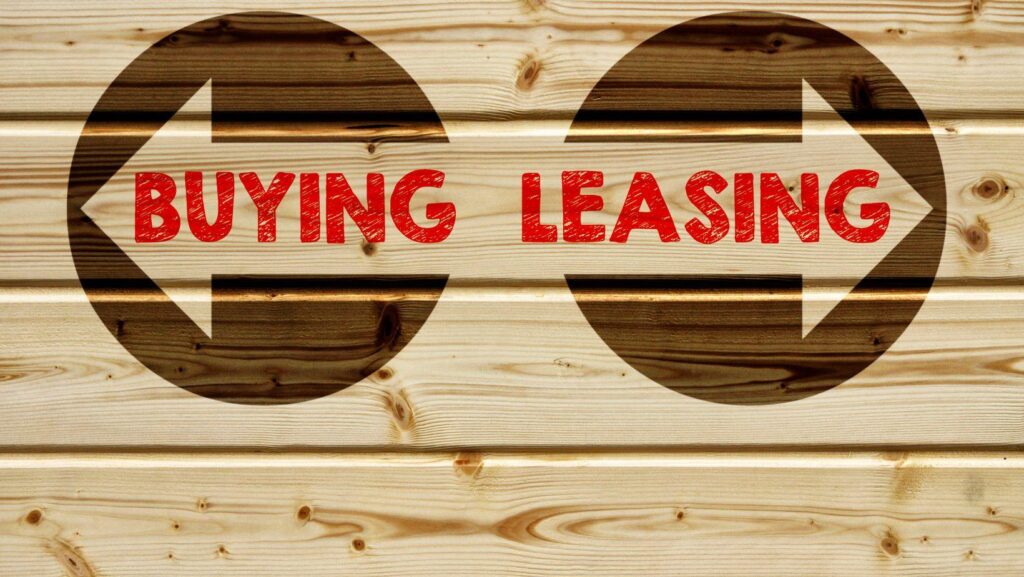
Lease end dates tend to sneak up. One month you are thinking about the next trip, the next month a letter arrives confirming your contract is up. At that point you face three options: return the vehicle or equipment, renew the lease, or exercise a buyout. Most people return without running the numbers. That decision often costs more than it saves.
The right choice depends on a comparison most people never bother to make. The residual value set in your original contract versus what the asset is actually worth on the open market today. When those two numbers are misaligned, one option is clearly better than the other. Understanding how to evaluate that difference is the whole point of using a Lease Buyout Calculator.
How Lease Residual Values Work
When you signed your lease, the financing company estimated how much the vehicle or equipment would be worth at the end of the term. That estimate became the residual value, the price you can pay to purchase the asset outright at lease end.
The problem is that projections made two or three years ago do not always match real-world market conditions. Supply chain disruptions, fuel price shifts, inventory shortages, and changing demand all affect what assets are actually worth. In many recent cases, used vehicle prices have risen significantly above the residuals set before market disruptions, meaning lessees could buy out their lease at below-market value and immediately own an asset worth more than they paid for it.
In other cycles, values decline below projections, and the residual ends up higher than market value. In that scenario, buying out means overpaying for an asset you could get cheaper elsewhere.
What the Calculator Actually Does
A lease buyout calculator takes your residual value, adds applicable taxes and fees, factors in financing costs if you are taking out a loan, and produces an effective total cost to own. It then allows comparison against what a comparable asset would cost to buy outright or re-lease at current market rates.
The output is a clear answer: buying out costs X, sourcing a replacement costs Y, and the difference either justifies the purchase or does not. Without running this calculation, the decision is essentially a guess.
Variables That Shift the Outcome
Mileage matters significantly. If you have stayed within your contracted mileage limit, your buyout math is clean. If you are over, the excess mileage charges you would pay on return reduce the cost of buying out, since those charges disappear once you own the vehicle.
Condition also factors in. Wear and tear assessments at return can produce unexpected charges. Buying out removes that variable entirely. If the asset is in good shape and well-maintained, those avoided inspection costs become part of the financial argument for buying.
Your relationship with the asset is worth something too. You know exactly how it has been used, maintained, and driven. A replacement of the same model from a dealer or auction comes with uncertainty. For commercial equipment especially, a known history has real operational value.
When the Numbers Say No
If the residual is materially above current market value, no amount of familiarity with the asset changes the math. You would be paying a premium that the market does not support. Returning and sourcing a replacement at market rates, whether through a new lease, purchase, or financing, puts you in a better position.
The same logic applies when ownership costs going forward are high. An asset approaching high mileage thresholds or with known mechanical concerns may be better left at the lease company than taken on as a personal financial responsibility.
The time to figure this out is not at the dealership on the last day of your contract. It is several months before, when you have the leverage to shop alternatives, secure financing, and negotiate with the lessor if any flexibility exists on fees.
Frequently Asked Questions
What is a lease residual value? It is the purchase price set in your lease agreement, determined at signing based on projected depreciation. It represents what the financing company expects the asset to be worth at end of term.
Can the residual value be negotiated? The residual itself is typically fixed in the contract. However, purchase fees, documentation charges, and sometimes other costs associated with the buyout can occasionally be negotiated depending on the lessor.
Do I need good credit to finance a lease buyout? Yes, if you are financing the purchase rather than paying cash. Most lenders treat a lease buyout loan similarly to a standard auto or equipment loan. Your credit score affects the rate you qualify for, which directly impacts the total cost of the buyout.
Is a lease buyout right for every situation? No. The right choice depends entirely on the comparison between residual value, current market value, and your specific circumstances, including mileage, condition, and financing options available to you.