Acquiring certified safety training empowers regular citizens and employees to protect their communities during sudden medical events. Blended learning options combine self-paced online theory with short, physical training sessions. This flexible system helps individuals master proper CPR rhythms and wound care techniques without sacrificing their entire weekend.
Imagine walking down a busy downtown street or sitting in a packed meeting room when the person next to you suddenly faints. The initial few minutes of a medical crisis are always the most critical. If you want to make sure you have the exact skills required to handle these high-stress situations, it is time to register for Coast2Coast first aid classes in Edmonton to build your confidence.
Why does immediate bystander intervention matter?
When someone stops breathing or experiences sudden cardiac arrest, the clock starts ticking fast. For every minute that passes without chest compressions, survival odds drop significantly. Paramedics do an incredible job, but traffic and distance take time to navigate. Having a trained coworker or family member step up immediately keeps vital oxygen flowing, which preserves brain function and keeps the patient stable until professional help arrives.
How does the blended learning format save time?
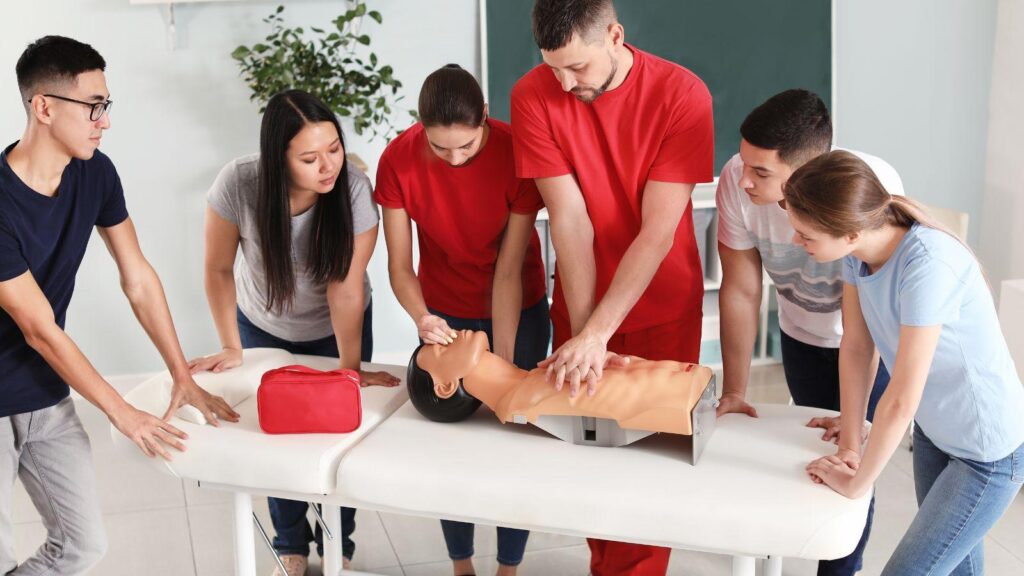
Many people avoid signing up for safety training because they assume it will take up too much of their personal life. Sitting through a long weekend lecture can feel incredibly draining. Modern courses solve this by dividing the program into a highly flexible split system. You complete all the core concepts, watch video modules, and finish quizzes online at your own pace. Then, you only need to show up for a brief, highly focused physical training block to practice on mannequins with an expert.
What should a comprehensive first aid course cover?
A professional safety program handles a wide range of common medical emergencies that go far beyond simple cuts. You will learn how to handle intense physical situations calmly.
The standard curriculum focuses on:
- Recognizing the hidden signs of a stroke, heart attack, or diabetic shock.
- Managing severe external wounds using proper pressure points and tourniquets.
- Stabilizing broken bones and severe muscle sprains cleanly.
- Providing proper assistance during sudden poisoning or environmental exposure.
Can ordinary citizens operate a defibrillator safely?
Many people feel a wave of anxiety when they see a public access defibrillator box hanging on a wall. They worry they might press a wrong button or harm the patient. In a practical classroom, you learn that these automated external defibrillators are completely self-explanatory. The unit talks to you directly out loud, instructing you on where to place the pads. The internal computer reads the heart rhythm and will never send an electrical shock unless a specific, fatal pattern is found. To review more public safety tips, you can visit https://www.c2cfirstaidaquatics.com/ at any time.
If you are looking for first aid training near the Downtown core, Jasper Avenue, or other areas close to our facility, then you may reach out to Coast2Coast First Aid/CPR – Edmonton in that area. For more info and articles like this visit: https://www.c2cfirstaidaquatics.com/
Frequently Asked Questions
1. Are these training courses officially approved? Yes, our courses fully comply with occupational health and safety standards, ensuring you receive recognized, high-quality certification.
2. How long does a standard first aid certificate last? Most standard certifications remain valid for three years from the completion date before you need to take a quick renewal course.
3. Do I need any prior medical experience to take the class? Not at all. These classes are specifically designed for the general public, including office workers, parents, and community volunteers.
4. Can I finish the online theory modules on my mobile phone? Yes, our digital learning system is optimized for mobile devices, tablets, and laptops, allowing you to study whenever it is convenient.
5. What should I wear to the physical skills session? You should wear comfortable, casual clothing because you will be practicing physical techniques on the floor with medical mannequins.