When you enter a corporate event space where they’re about to host a vital annual meeting, launch a new product or update you on their latest charity initiatives, what is the first thing you see? The event space, sure and what else? Everything the event space is set up with in terms of the screen, the lights, the audio, the spot beams, the stage, the rigs – it can often feel like a show or a concert is about to start. And this is what immediately impresses you, isn’t that right? If you are part of a corporate company looking at how to impress those coming to visit your talk or event, then it’s vital that you stay updated with trends that can add a ‘wow factor’. This wow factor is not limited only to audio or visual stimulation; they now come as a pair in this highly digital age. There are 5 key trends that shine more than others, so if you’re interested in learning more, whether this is for an event you’re hosting or simply think it’s a fascinating topic, then you’ve come to the right place.
As you can imagine, one of the biggest audio visual technology trends is bringing the world and feeling of being ‘immersed’ into play. It’s not so far as to bring VR or AR into the mix but it does mean using lights and dynamic stage design; this is number one. Then, you have the use of lights to make the event feel like a real show. Afterall, at these events, the aim is to captivate the audience not only with the content but also with the lights and audio as that forms part of the picture, so that’s number two. Keen to learn about the rest of the 5 trends? Excellent, then keep reading.
Immersive LED Video Walls And Dynamic Stage Design
If there is one thing you need to know, it’s that traditional projection screens are quickly being replaced by massive LED video walls. These displays transform a simple stage into a fully visual environment capable of shifting moods, themes and visuals in seconds. This is honestly one of the biggest and most impactful trends. LED walls provide brighter images, sharper contrast and far more flexibility than projectors, making for, yes, you guessed it, a more immersive experience. Instead of a single flat screen behind a speaker, stages can now wrap presenters in digital backdrops that move, animate and react to the content being presented.
Corporate events are increasingly using LED walls to create visual storytelling. A product launch might display cinematic footage that fills the entire stage backdrop or a leadership keynote might feature animated data visualizations that appear to float behind the speaker. Panel discussions can quickly transition between branded graphics, speaker names and supporting visuals, which is not only visually appealing but also adds an informative angle. Another advantage of LED walls is the ability to customize stage layouts. Screens can be curved, layered or even placed on the floor to extend visuals across the entire presentation area. This flexibility allows designers to create stages that feel modern and immersive instead of boring and predictable.
This level of technology is massively impactful and will make a huge difference to the event being displayed. As you might guess, it comes at a cost, which is why it’s so critical that you pinpoint exactly what you want before you get started and go with a reliable company to help. A company like Alliant Events, that has been in the event space for audio visual technology for over 40 years, is linked with performance, reliability and over-delivering. If you’re going to make this investment, it’s worth going with a company that invests right back into your vision and can actually meet your demands, no matter how high they are.
Advanced Stage Lighting That Feels Like A Live Show
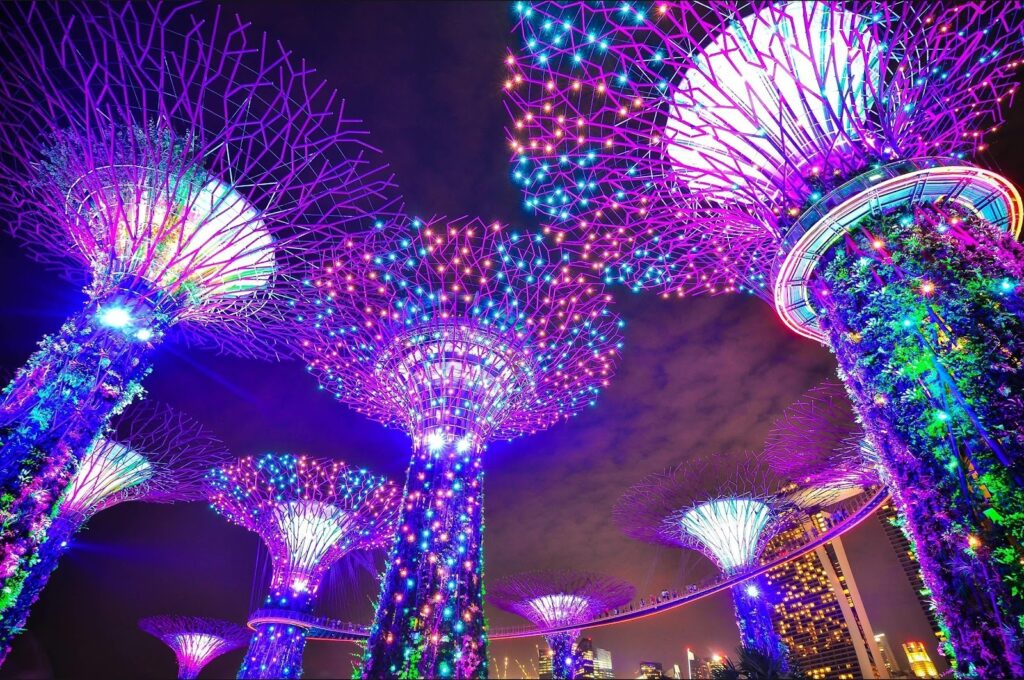
Lighting used to serve a basic function at corporate events. It illuminated speakers and ensured cameras captured clear footage. Today, it plays a much bigger role in shaping the atmosphere and energy, that’s for sure. Modern stage lighting might remind you very much of concert production and theatrical design that you’ve seen when attending a big show. Intelligent lighting systems allow technicians to adjust color, movement and brightness in real time to match the tone of each part of an event, which is pretty helpful. This means that light is not just an addition but can match the brand and tone of the event, as it plays out, adding extra senses to the event.
A keynote presentation might begin with soft neutral lighting to create a calm atmosphere. When a major announcement arrives, vibrant colors and moving beams can immediately shift the energy in the room. Or panel discussions might feature balanced lighting that highlights every speaker evenly while maintaining a polished broadcast look. Lighting systems are controlled digitally, which allows for merged effects tied to music, video content or transitions between speakers, making for a whole and complete experience. Audiences may not always notice the lighting directly but they certainly feel its impact, which is a great goal. You don’t want to be too obvious with your intentions; it’s good when the audience feels the vibe.
Smarter Hybrid Event Technology is Key
Hybrid events remain one of the most important audio visual technology trends shaping corporate gatherings this year. While in-person events have returned strongly, digital participation is still a critical component for global audiences. Technology now makes it easier than ever to deliver a seamless experience for both in-person attendees and virtual viewers. High-quality broadcast cameras, advanced switching systems and dedicated streaming platforms allow events to feel polished, whether someone is sitting in the front row or watching from another continent. This means that audio and visual technology trends are not only about improving the look of a space but they also add means of inclusivity. Many spectators might not be able to attend in person but this should not mean that they experience a lesser moment. This is where a hybrid setup can really help.
Hybrid production setups often include multiple camera angles, live graphic and real-time switching similar to television broadcasts. Speakers appear larger than life on screen while presentation materials remain readable for online audiences. Interactive tools are also improving hybrid engagement. Virtual attendees can participate through live polls, moderated Q&A sessions and chat features that allow remote voices to be heard inside the physical venue.
Interactive Presentation Technology to Keep Things Lively
One of the biggest challenges at corporate events is keeping audiences focused during long presentations. Have you ever been to an event and felt a bit bored after the first hour? This is only normal. But it’s something that should be combated as much as possible. Interactive technology is helping solve that problem by turningyou as a passive viewer, into an active participant. Touchscreens, wireless presentation tools and mobile engagement platforms allow speakers to connect with audiences in more dynamic ways. Instead of simply clicking through slides, presenters can interact with visuals, data and audience responses.
A few of the most common interactive tools appearing on corporate stages include:
- Live polling that displays audience opinions instantly on the main screen
- Real-time Q&A systems that allow attendees to submit questions through mobile devices
- Digital whiteboards that speakers can draw on while presenting ideas
- Gesture-based controls that let presenters navigate slides without a remote
- Audience quizzes and gamified learning segments
These tools transform presentations into conversations rather than one-way lectures. Attendees feel more involved when their input appears on the screen or influences the direction of a discussion, which means they’re likely to be more invested in the content because it’s their answers they’re seeing up on the screen.
Spatial Audio And Enhanced Sound Design
Clear sound has always been important at events but modern sound design is becoming far more sophisticated. Instead of simple speaker systems aimed at the audience, many venues are adopting spatial audio setups that distribute sound evenly throughout the room.
Spatial audio creates a more natural listening experience. Voices feel closer and clearer no matter where someone sits. Background music and sound effects can move through the space in ways that feel immersive rather than distracting. For large conferences or product launches, this approach ensures every attendee hears presentations with consistent clarity. No one struggles with muffled audio or uneven volume levels. Sound design is also being used creatively. Intro music, transition cues and subtle audio effects help guide audiences through the event program. These touches make corporate events feel more polished and professional without becoming overwhelming, which is grand.
How These Innovations Elevate The Entire Event Experience
All of these developments share a common goal. They make corporate events more engaging, more memorable and more professional for everyone involved. These improvements help speakers deliver stronger presentations and make the audience feel more captivated by what’s happening on stage. As corporate audiences continue to expect more engaging experiences, stage technology will keep evolving. The events that stand out this year are the ones embracing these innovations and transforming traditional presentations into memorable productions.