
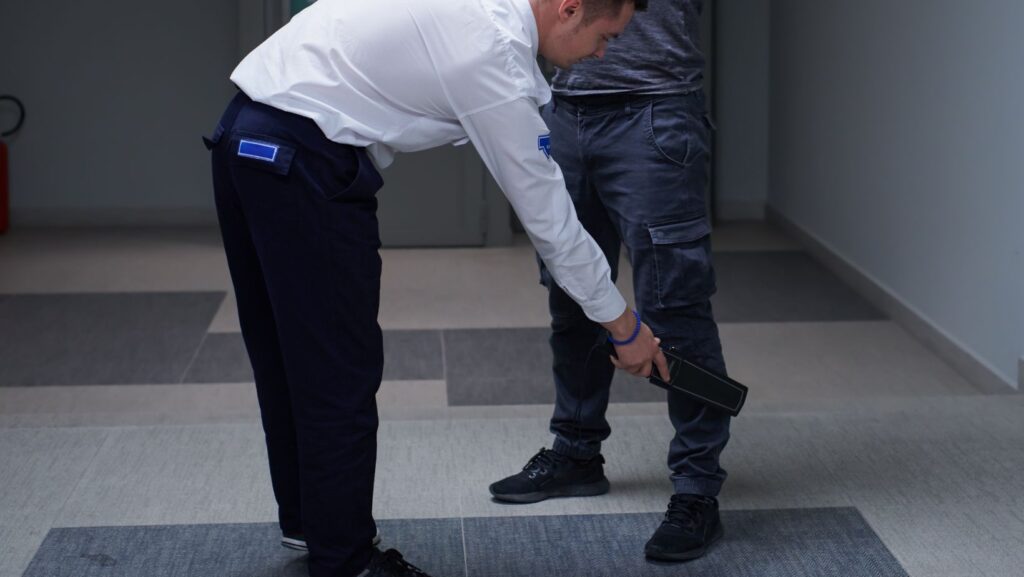
In an era where safety concerns are woven into the fabric of everyday life—airports, stadiums schools, corporate campuses, and public events—secondary security screening has become a vital layer of protection. Handheld metal detector wands have emerged as a reliable, cost-effective tool that enhances security teams’ ability to quickly and accurately identify potential threats. This blog explores how these devices strengthen secondary screening, why they’re widely adopted, and practical tips for maximizing their effectiveness.
What is secondary security screening and why it matters
Secondary screening is the additional inspection stage that follows an initial security check—often triggered when an alarm is raised by a walkthrough metal detector, X-ray, or during random checks. Unlike primary screening, which processes large groups quickly, secondary screening zeroes in on individuals or items that require closer inspection.
The importance of this stage cannot be overstated. Secondary screening:
- Reduces false positives and prevents unnecessary delays.
- Ensures concealed metallic objects are detected without invasive search methods.
- Balances thoroughness with respect for dignity and privacy.
- Acts as a deterrent against attempts to bypass primary screening.
Handheld metal detector wands fit naturally into this role, offering precise, on-the-spot detection that complements other screening technologies.
How handheld wands work — simple, reliable, and targeted

Handheld metal detectors operate using electromagnetic fields. When the wand is passed over a person or object, metallic items disturb the field and trigger an audible or vibratory alarm. Modern wands offer adjustable sensitivity, allowing operators to tune them for different environments—high sensitivity for small objects like thin blades or low sensitivity for noisy settings to avoid nuisance alarms from belt buckles or keys.
Key technical advantages:
- Immediate feedback: Alarms indicate the approximate position of metal, guiding a focused search.
- Adjustable sensitivity: Reduces false alarms and adapts to specific screening needs.
- Portability and ease of use: Lightweight and battery-powered, they are ideal for fast, flexible deployment.
This combination of speed, accuracy, and adaptability makes handheld wands ideal for secondary screening.
Benefits of using handheld metal detector wands in secondary screening
- Faster resolution of alarms When a walkthrough detector goes off, security staff must act quickly to avoid creating long lines or bottlenecks. Handheld wands let officers pinpoint metal objects in seconds, reducing wait times and keeping the screening flow moving.
- Enhanced detection accuracy Handheld detectors can find small, thin, or hidden objects that might be missed by visual inspection alone. Their localized detection capability allows staff to search specific areas without a full pat-down, which is less invasive and more efficient.
- Lower operational costs Compared with sophisticated imaging systems or additional staffing for manual searches, wands are an affordable solution. They require minimal training and maintenance, offering rapid return on investment for organizations of varying sizes.
- Respectful and non-invasive searches Wands allow targeted scanning over clothing and belongings without the intrusion of a full physical search. This helps preserve privacy and reduces discomfort for screened individuals while maintaining security standards.
- Portability and flexibility Because they are compact and battery-operated, wands can be used in diverse settings: ad-hoc security checkpoints, event perimeters, schools, and transportation hubs. Multiple units can be deployed across a venue to respond quickly to incidents.
- Easy integration with existing protocols Handheld metal detectors seamlessly fit into established security procedures. They can be used as follow-up tools after a walkthrough alarm, during random checks, or in conjunction with visual inspections of suspicious items.
Best practices for effective use of handheld wands
To get the most from handheld metal detector wands, organizations should adopt clear procedures and training. Here are practical recommendations:
- Train operators thoroughly Operators should know how to adjust sensitivity, interpret alarms, and follow non-discriminatory search protocols. Training should include hands-on practice scanning different clothing types and common concealment areas.
- Use consistent scanning patterns Adopt a standardized scanning path (e.g., from shoulders downward) to ensure full coverage and reduce the risk of missed items. Documented patterns help ensure uniformity across staff and shifts.
- Calibrate sensitivity for the environment Different environments produce different background interference. In crowded areas with many metal objects, lower sensitivity prevents false alarms. In controlled settings where detecting small items is critical, increase sensitivity.
- Combine with other screening measures Wands work best as part of a layered approach. Use them after walkthrough alarms, alongside X-ray images for luggage, or in tandem with trained behavior-observation techniques for a more comprehensive assessment.
- Maintain privacy and dignity When a scan indicates a potential threat, follow a clear protocol that prioritizes respectful communication and minimal intrusion. If further inspection is needed, offer same-gender screening officers and maintain a professional demeanor.
- Regular maintenance and testing Periodic checks and battery management ensure devices function reliably. Routine testing of alarms and sensitivity keeps performance consistent.
Real-world applications and case studies
- Airports and transit hubs: Many airports use wands as a secondary screening tool to clear alarms rapidly and maintain passenger throughput. Their portability allows officers to screen queues and boarding areas quickly.
- Stadiums and concert venues: Event security benefits from wands’ speed during high-volume entry periods. They reduce delays and help security personnel identify prohibited items without invasive searches.
- Schools and universities: Wands provide a less disruptive way to address safety concerns while balancing sensitivity to student privacy.
- Corporate campuses and courthouses: For locations with variable visitor flows, handheld detectors are practical for spot-checks and controlled-entry points. These varied applications highlight the versatility of wands in managing both routine and heightened-security situations.
Addressing limitations and concerns
No single tool is perfect. Handheld wands have some limitations:
- Inability to distinguish between harmless and dangerous metal objects: Operators must combine detection with judgment and follow-up checks.
- Potential for human error: Proper training and fatigue management are essential to maintain effectiveness.
- Privacy concerns: Standard operating procedures must emphasize dignity, transparency, and clear communication during searches.
By acknowledging and mitigating these limitations—through training, layered security, and policies—organizations can make handheld wands a robust part of their screening strategy.
Choosing the right handheld detector
When selecting a wand, consider:
- Sensitivity range and adjustability.
- Battery life and ease of charging or replacement.
- Ergonomics and weight for long shifts.
- Durability for frequent use in various environments.
- Audible and vibration alerts for noisy settings.
Investing in reliable equipment and vendor support ensures consistent performance and longevity.
Conclusion: A practical, human-centered tool for safer spaces
Handheld metal detector wands are a pragmatic solution for enhancing secondary security screening. They offer fast, focused detection that reduces wait times, lowers operational costs, and supports respectful, non-invasive searches. When integrated into a layered security approach—backed by training, clear procedures, and appropriate device selection—wands help organizations maintain safety without compromising efficiency or dignity.
In today’s world, where security must be both effective and humane, handheld metal detector wands strike an important balance. They give security personnel the precision and flexibility needed to address potential threats quickly, while keeping the experience dignified for those being screened—a win for safety and for public trust.