In most digital marketplaces, trust is something platforms ask for. In Counter-Strike 2, it’s something players quietly give. Not because of flashy guarantees or aggressive monetization—but because, over time, the system proved predictable.
That predictability is rare in digital economies. Prices move, trends shift, and hype comes and goes, yet the CS2 skin market continues to feel grounded. Players don’t just buy skins—they hold them, track them, and return to the ecosystem year after year. That kind of trust doesn’t come from marketing. It comes from structure.
Clear Rules That Rarely Change
One of the biggest reasons players trust the CS2 skin market is simple: the rules are stable.
- Skins don’t get deleted
- Ownership doesn’t suddenly reset
- Past items aren’t invalidated by new monetization schemes
When something is introduced into the game, it tends to stay relevant in some form. Collections may stop dropping, cases may be removed, but the underlying logic remains consistent. Players learn the system once—and can rely on it for years.
In digital markets, rule stability matters more than generosity. CS2 understands that.
Scarcity That Feels Natural, Not Artificial
Scarcity in CS2 doesn’t scream for attention. It emerges quietly.
Some items become rare because:
- A case stops dropping
- A collection is retired
- Time simply passes
There’s no countdown clock telling players to panic-buy. No artificial pressure forcing urgency. Value accumulates slowly, which makes it feel earned rather than engineered.
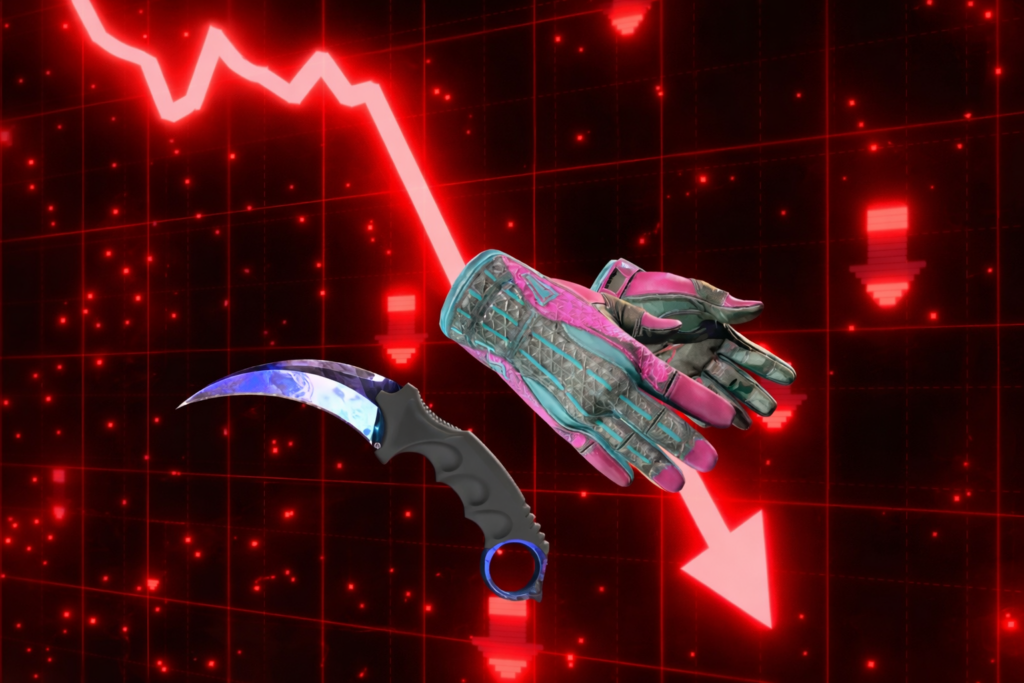
That’s why collectors explore things like all Karambit skins not just to admire designs, but to understand how history, availability, and demand intersect. Scarcity becomes a story—not a sales tactic.
Transparency Over Promises
Another trust signal: prices are visible, not dictated.
Players can see what items are listed for, what they sell for, and how values change over time. There’s no mystery pricing, no hidden tiers, no forced bundles disguising value.
Being able to casually check cs2 skin prices turns the market into something players observe, not fear. Even when prices drop, the drop feels explainable—tied to updates, trends, or supply changes—not arbitrary intervention.
Transparency doesn’t prevent volatility, but it makes volatility understandable. And understanding builds confidence.
Competitive Integrity Keeps Value Honest
CS2 draws a hard line: cosmetics never affect gameplay.
- No damage bonuses
- No stat boosts
- No hidden advantages
That separation protects trust on two levels. First, players never feel forced to buy skins to stay competitive. Second, high-value skins don’t feel unfair—they feel expressive.
When an expensive item is purely visual, owning it signals identity, not power. That makes the market socially acceptable and culturally respected, instead of resented.
Ownership That Feels Real Through Use
CS2 skins aren’t locked away in a vault. They’re used—constantly.
Every round, every reload animation, every clutch moment reinforces ownership. Items gain emotional weight because they’re experienced, not just stored. Over time, that repeated use transforms pixels into possessions.
This is a subtle but powerful trust mechanism. Players trust what they interact with daily far more than abstract assets that exist only on a balance sheet.
A Market That Survived Stress Tests
The CS2 skin economy has endured:
- Major game updates
- Sudden demand spikes
- Sharp price corrections
- Community backlash and debate
And yet, it persists.
Markets earn trust not by avoiding stress, but by surviving it. CS2’s ecosystem bends, adjusts, and recalibrates—but it doesn’t collapse. Players remember that resilience. It makes them more willing to stay invested, even when uncertainty appears.
Why Trust Keeps Bringing Players Back
At its core, the CS2 skin market respects players in three key ways:
- It lets them decide value
- It lets them exit when they want
- It doesn’t rewrite history
That respect compounds over time. The longer players stay, the more the system proves itself. And the more it proves itself, the easier it becomes to trust.
Final Thought
Trust in digital markets isn’t built through slogans or guarantees. It’s built through repetition, consistency, and restraint.
The CS2 skin market didn’t earn player trust by promising value.
It earned it by not breaking the rules players learned to rely on.
In a digital world full of temporary systems, that quiet reliability is why players keep coming back—and why trust, once earned, continues to hold.
Banner image: