
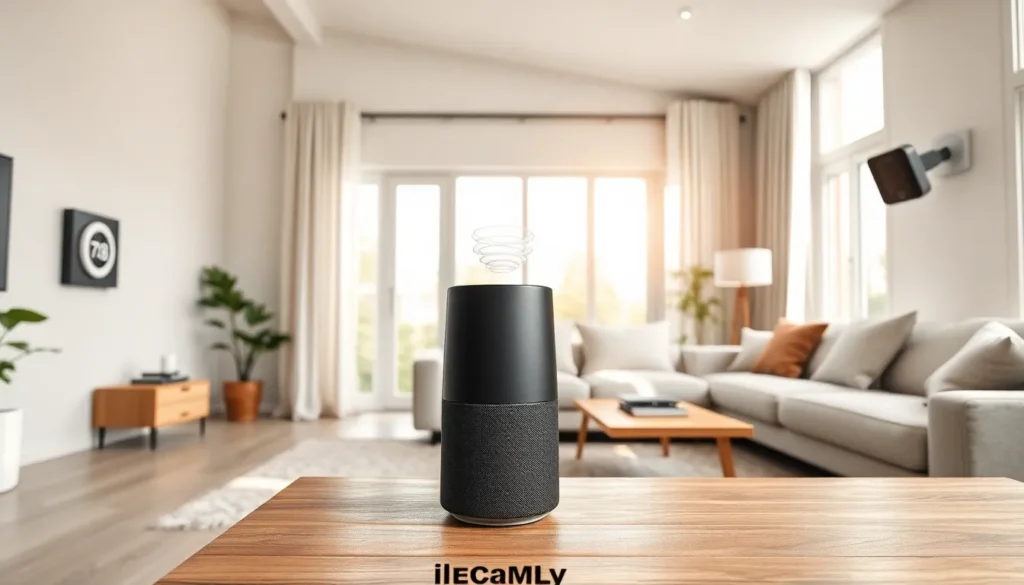
Imagine this: your coffee knows when you wake up, your lights adjust based on your mood, and yes, even your fridge is smart enough to order groceries before you run out of milk. Welcome to the world of smart home edge computing, where technology meets convenience and a touch of magic. This isn’t just about gadgets that respond to voice commands: it’s a game-changer in how households operate efficiently and seamlessly. Immerse as we explore what smart home edge computing really means, why it’s beneficial, and how it works, all while keeping the charm intact.
Smart Home Edge Computing
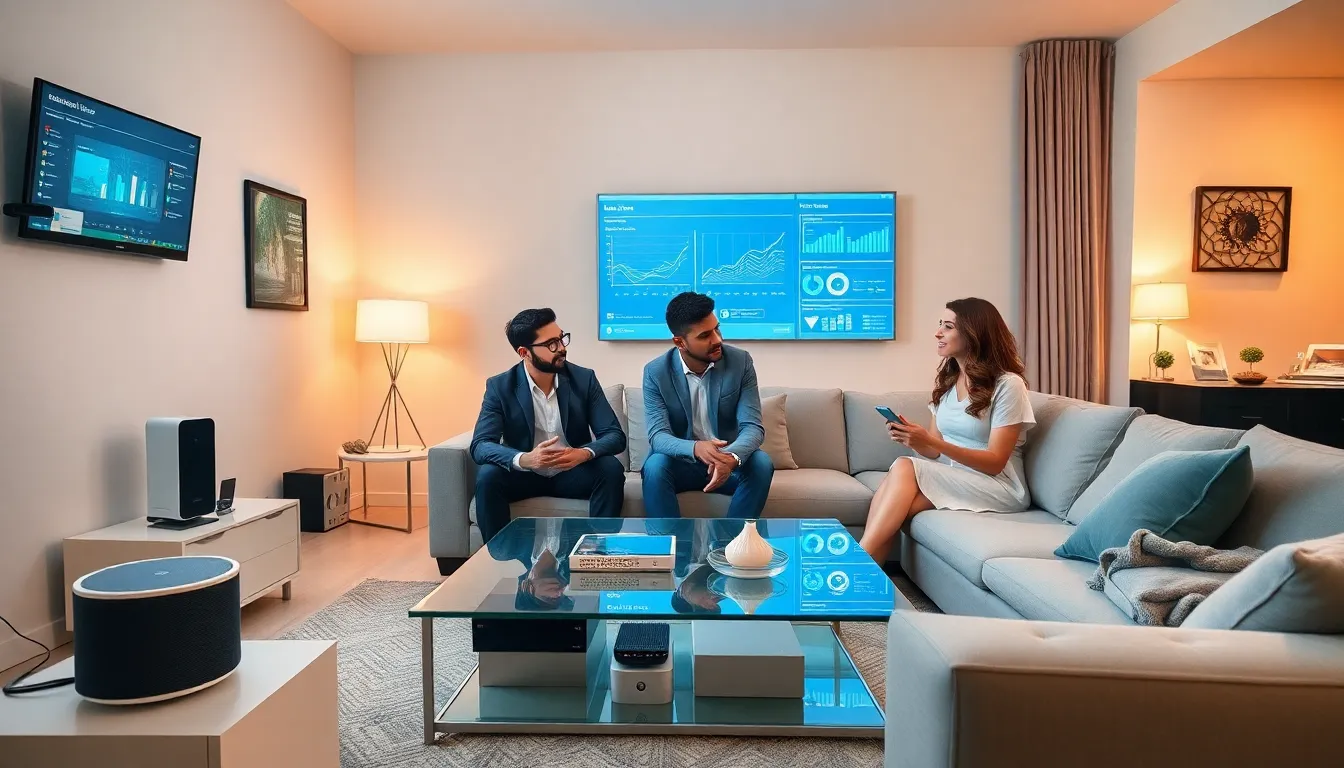
At its core, smart home edge computing refers to the practice of processing data closer to the source of generation, typically within home devices, rather than relying solely on remote cloud services. Think of edge computing as the brain of smart devices working in tandem with the cloud, making decisions based on real-time data without a hitch.
Imagine a security camera that analyzes footage on the spot instead of sending all that data to a faraway server. Instead of waiting for some distant data center to process the information, your smart home can make immediate decisions, increasing responsiveness and efficiency. This innovative approach not only enhances performance but also optimizes bandwidth by reducing the amount of data sent across the internet, which is particularly vital for homes filled with multiple smart devices.
In short, smart home edge computing makes smart devices even smarter.
Benefits of Smart Home Edge Computing
The benefits of smart home edge computing are compelling and numerous. First off, there’s the speed factor, because devices can process data locally, users experience rapid responses. This responsiveness is crucial for applications such as home security or health monitoring, where every second counts.
Then, let’s not forget about privacy. With edge computing, data can be processed at home rather than sent to the cloud, which minimizes the risk of breaches during transmission. Homeowners can feel secure knowing that sensitive information, like health metrics or surveillance footage, remains within their personal network.
Also, there are substantial savings on bandwidth. By reducing the volume of data sent to the cloud, users can minimize the costs associated with high-speed internet services. Edge computing allows devices to communicate and share data intelligently without overloading the household’s internet connection.
Last but not least, it fosters a reliable smart ecosystem. With consistent local processing, devices can maintain functionality even when the internet is down, providing peace of mind and uninterrupted service.
How Smart Home Edge Computing Works
Curious about how this all comes together? Let’s break it down. Devices equipped with edge computing technology come with the necessary hardware and software to process information on-site. For instance, smart speakers not only hear commands but also interpret them without relying on the cloud.
When you ask, “What’s the weather today?” your smart speaker processes the request using its built-in software, pulls necessary data from a local source, and responds without delay. This immediate processing reduces dependency on possibly slow internet connections while speeding up the entire interaction.
Besides, these smart devices often use machine learning algorithms to adapt and learn over time. They’re not just reactive: they become more intuitive as they gather data about user habits and preferences, all done without sending information to the cloud continuously.
In brief, smart home edge computing allows devices to learn, adapt, and react faster, making everyday interactions smoother and more efficient.
Key Technologies Behind Smart Home Edge Computing
Layer upon layer of technology supports smart home edge computing, with several key players contributing to its evolution:
- Internet of Things (IoT): The very backbone of smart homes, IoT connects various devices, allowing them to communicate with each other and with users. IoT devices equipped with edge computing capabilities handle data processing locally.
- Machine Learning: This technology empowers devices to recognize patterns and adapt autonomously. Whether it’s adjusting heating based on your daily routine or optimizing energy usage, machine learning helps devices create a personalized experience.
- Low-Power Processors: These processors are efficient and designed to handle complex computations without excessive power consumption. They enable devices to perform edge computing tasks without draining batteries, which is crucial for wireless devices.
- Cloud Services: While edge computing minimizes reliance on the cloud, it doesn’t entirely eliminate it. Rather, the two work together, with the cloud serving as a supportive backbone for long-term data storage and analytics.
Challenges and Considerations
While the advantages are evidently enticing, smart home edge computing does come with its share of challenges. The first and foremost issue is compatibility. Not all smart devices adhere to the same standards, which can lead to a chaotic landscape of devices that don’t communicate effectively with one another.
Next up is security. Although edge computing can enhance privacy, local devices can still be vulnerable if not properly secured. Users must ensure firmware is regularly updated, and robust security protocols are in place.
Scalability is another concern. As homeowners add more devices, the complexity of managing and processing the data increases. Hence, a thoughtful approach is necessary to accommodate future growth without causing bottlenecks.
Finally, the technology is still evolving, and potential users need to stay updated on developments to navigate the landscape effectively.
Future Trends in Smart Home Edge Computing
Looking ahead, the future of smart home edge computing seems promising and dynamic. Several trends are already coming to the forefront:
- Integration with 5G: The rollout of 5G technology could dramatically enhance edge computing capabilities. With faster data transfer rates and lower latency, devices will communicate even more seamlessly, making home automation faster and more reliable.
- Increased AI Utilization: As artificial intelligence advances, edge computing will increasingly incorporate AI capabilities for even sharper predictions and automation. Devices will become proactive rather than reactive, anticipating user needs before they arise.
- Decentralized Networks: There’s a shift towards decentralizing data processing, allowing even more robust security and efficiency. Imagine homes being hubs of interconnected devices that can communicate directly without heavy cloud reliance.
- Sustainability Improvements: As energy concerns grow, smart home solutions will increasingly focus on being energy efficient. Edge computing helps reduce energy consumption by processing data locally and optimizing smart home operations accordingly.