

Imagine a world where your home computer has the power of a thousand supercomputers. Sounds like science fiction, right? Well, welcome to the era of quantum computing. This marvel of technology is no longer confined to fancy labs: the potential for quantum computing at home is creeping closer, and it might just revolutionize how we tackle complex problems. From coding to cryptography, understanding how this cutting-edge tech works could make anyone feel like a modern-day wizard. Buckle up, because we’re about to dive deep into the quantum realm.
Quantum Computing at Home
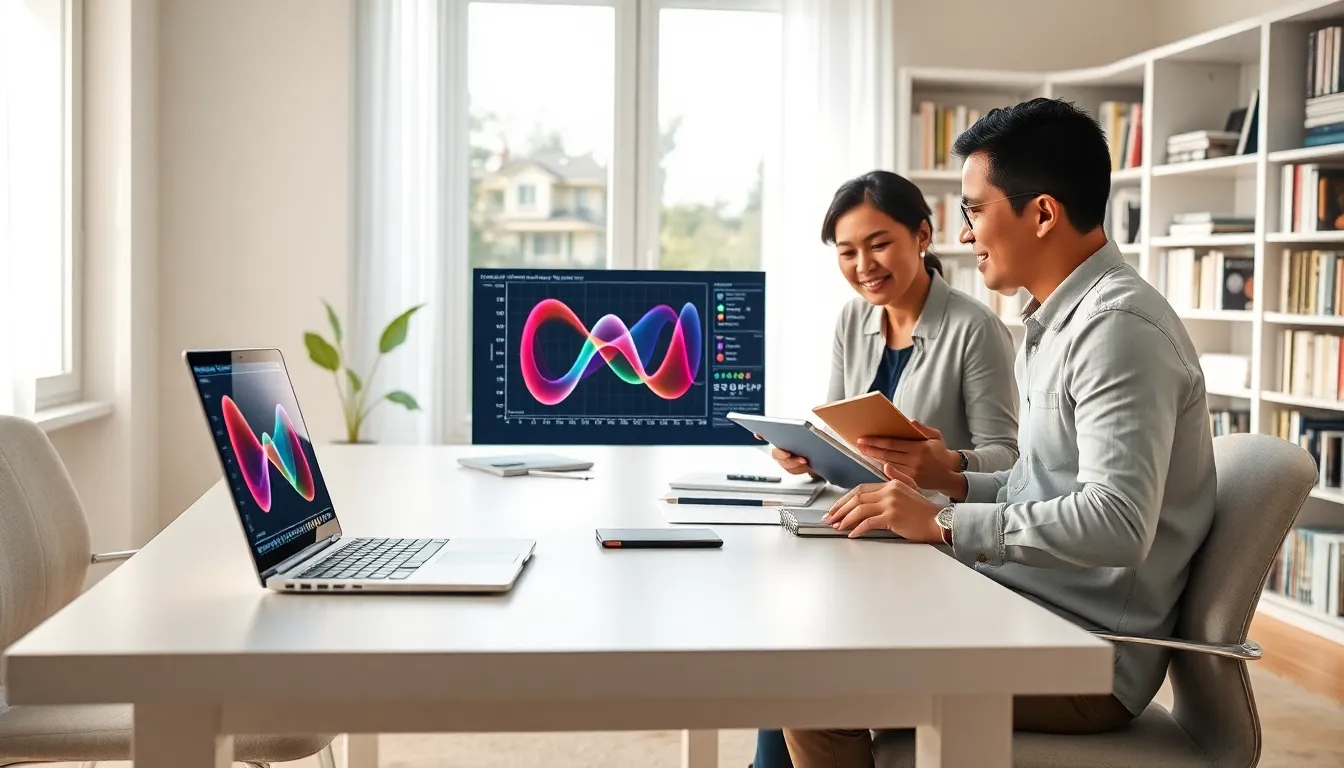
To get a grasp on quantum computing, it’s essential to start with the fundamentals. Unlike classical computers that process information in bits (0s and 1s), quantum computers use qubits. These qubits are like tiny spinning coins, capable of being both heads and tails at once, thanks to a phenomenon called superposition. This means they can carry a vast amount of information that classical bits simply can’t handle.
Next comes entanglement, a weird but fascinating quirk of quantum mechanics. When qubits become entangled, the state of one qubit will instantly influence the state of another, even if they are miles apart. This interconnectedness allows quantum computers to perform calculations at unprecedented speeds.
But don’t rush off to install a quantum processor just yet. While the concept is simple, the execution is not. Quantum computing is still in its infancy, and practical applications are being explored. So, while we might not all have a quantum computer at home just yet, understanding these basics sets the stage for the next big tech shift.
The Evolution of Home Computing
The journey of home computing has been nothing short of remarkable. From punch cards to tablets, personal computers have morphed dramatically. But, as we venture deeper into the digital age, quantum computing promises to be the next giant leap.
Initially, traditional computers were cumbersome, the size of entire rooms. Over time, they shrank into compact devices that could fit on a desk. As smartphones emerged, they packed more power than early supercomputers into the palm of your hand. Fast forward to today, and we are on the verge of integrating quantum capabilities into everyday devices.
The potential benefits of quantum computing, such as solving previously unmanageable problems, could redefine home computing. Tasks that currently take hours could be accomplished in mere seconds. Think about lightning-fast data analysis for everyday users, scientific simulations for educational purposes, or even enhanced security protocols for personal information. The vision for home computing is evolving with quantum technology leading the way.
Setting Up a Quantum Computing Environment
Creating a quantum computing setup at home sounds exhilarating but also feels a bit like preparing for a space mission. Fortunately, access to quantum resources is becoming increasingly user-friendly.
Accessing Quantum Computing Resources
Many tech companies are starting to offer cloud-based quantum computing services. Google, IBM, and Microsoft lead the charge, providing platforms where individuals can tap into quantum processors remotely. These resources allow users to run quantum circuits and experiments without needing their own expensive hardware.
Using Quantum Simulators and Software
Besides real quantum machines, there are quantum simulators that mimic the workings of quantum computers. These simulators help users grasp the concepts without a hefty investment. Software libraries such as Qiskit (IBM) or Cirq (Google) enable coding for quantum operations. Users can write simple algorithms and see them executed on simulated quantum devices, grasping the complexities of quantum logic without having a PhD.
Online Quantum Learning Platforms
For those interested in diving deeper into quantum computing, various online platforms now offer specialized courses. Whether you’re a rookie or have some experience, there’s something available for everyone.
Practical Applications of Quantum Computing At Home
These platforms often provide tutorials that guide users through practical applications of quantum computing. Imagine simulating quantum phenomena right from your couch. Tasks range from cryptography, which could vastly improve online data security, to quantum optimization, making logistics and inventory management for small businesses substantially more efficient. Incorporating these applications into home routines could transform how families use technology.
Challenges and Limitations of Home Quantum Computing
Even though its seductive allure, quantum computing at home comes with its set of challenges. The technology is incredibly complex, requiring a solid understanding of quantum mechanics and programming. Most home users won’t have the expertise or the patience to fiddle with qubits and entanglement.
Also, while quantum computers excel at specific tasks, they won’t replace classical computers in everyday activities like browsing the internet or streaming shows anytime soon. Also, the costs associated with maintaining and accessing quantum infrastructures can be prohibitive for average users. Until quantum computing becomes more accessible and affordable, its practical use in home settings will remain limited.
The Future of Quantum Computing in Everyday Life
Looking ahead, the future of quantum computing in everyday life is full of promise. As research continues, advancements in quantum algorithm development and error correction are on the horizon. This progress holds the potential to revolutionize everything from AI to online security.
Home gadgets that harness quantum technology might not be too far off. Imagine a quantum-enhanced home automation system that optimizes energy consumption or a personal assistant that comprehends context with quantum AI. These innovations could make our homes not just smarter, but also more environmentally friendly and efficient. Residents of tomorrow could casually embrace quantum enhancements as they tackle daily challenges in ways we can only dream of today.